Binance warns of an iOS bug that could expose wallet keys
On 10 November 2026, the Binance exchange warned iPhone owners of a bug in iOS, which the author of the published demonstration named worse_query. According to Binance, a malicious app can use it to read the files of other apps and, if a wallet stores them unencrypted, also recovery phrases (seed phrases) and private keys. Apple has not publicly confirmed the bug, and nobody has so far reported it being exploited.
In brief
- On 10 November 2026, Binance flagged the worse_query bug, through which an app on an iPhone can read the data of other apps.
- According to Binance, the main risk is to wallets that store a recovery phrase or private keys unencrypted.
- Binance names iOS versions 26.7.1, 27.0.1 and 27.2, while the bug description on GitHub lists iOS 26.0 to 26.7.2 and 27.2.
- On 9 November, Apple released iOS 27.2.1 and 26.7.3, but its security notes do not mention the bug.
- Binance advises updating the system and apps and deleting apps installed from untrusted sources.
Article contents
What the bug allows
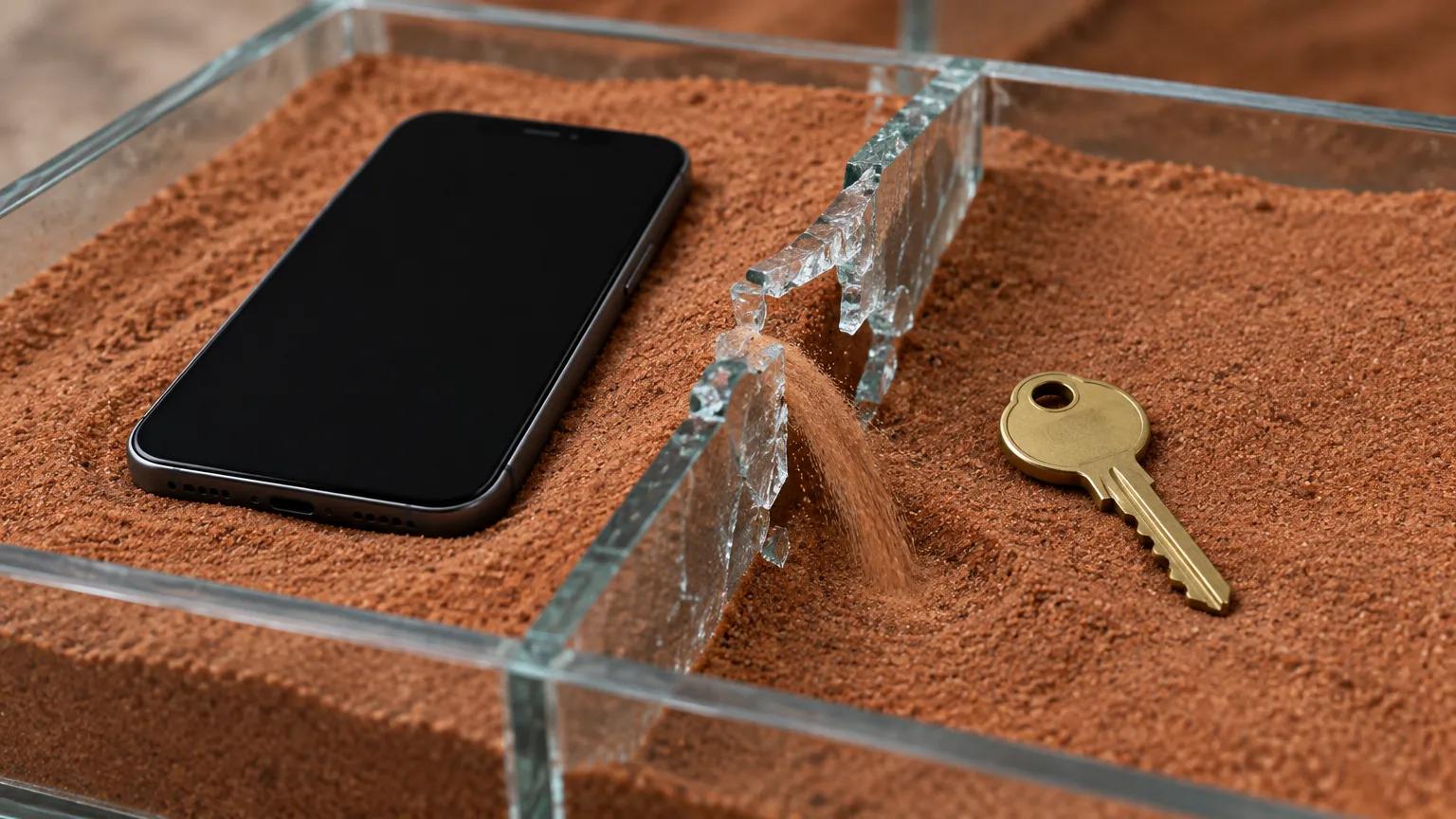
Every app on an iPhone runs in a separate space (a sandbox) and is not supposed to reach the data of other apps. The worse_query bug bypasses this protection: according to Binance, an app that exploits it can read the local files of other apps. If a wallet stores a recovery phrase, private keys or sign-in details without encryption, such an app can read them.
Binance stressed that this is an issue with iOS itself, not a bug in its own apps. According to Bitcoin Magazine, a demonstration of how to exploit the bug was published on GitHub on 8 November 2026 by a developer using the name forcequitOS. According to the description in the repository, it is a demonstration for developers that does nothing by itself, and it follows on from an earlier similar bug, bad_query. The day after it was published, another developer used it to build a file manager that browses and edits app data in iOS 27, Bitcoin Magazine reports.
Which iOS versions are affected
In its warning, Binance named three versions of the system. The bug description on GitHub lists a wider range. On 9 November 2026, the day after the demonstration was published, Apple released iOS 27.2.1 and iOS 26.7.3. Their security notes contain nine and eight fixed bugs respectively, but neither worse_query nor a sandbox escape is among them.
According to Cointelegraph, Apple did not respond to a query before publication, so it is unclear whether the new versions fix the bug. According to Decrypt, the head of security at SlowMist urged people to update to iOS 27.2.1 and said that it blocks the leak. That is a claim by a security firm, not by Apple.
| Source | iOS versions |
|---|---|
| Binance warning (10 November 2026) | 26.7.1, 27.0.1 and 27.2 |
| Bug description on GitHub | 26.0 to 26.7.2 and 27.2 |
| Apple update (9 November 2026) | 27.2.1 and 26.7.3 (the notes do not mention the bug) |
When crypto theft is a risk
The bug alone does not drain funds. According to the head of security at SlowMist, cited by Bitcoin Magazine, two things must coincide: an untrusted app that reads the data of other apps must be running on the phone, and the wallet must store a recovery phrase, a key file or its browser data unencrypted. He says hardware wallets keep keys outside the phone, so the bug affects them less.
According to Cointelegraph, a Binance spokesperson said the company has not found any confirmed case of the bug being exploited to access a wallet or steal funds. According to all three outlets, nobody has so far reported a theft caused by worse_query.
Anyone who knows a recovery phrase can transfer funds out of the wallet. According to SlowMist, the bug therefore mainly endangers wallets that store the phrase on the phone unencrypted.
What Binance recommends
In its warning, Binance recommends that iPhone owners with a crypto wallet follow these steps:
Update the system and apps
Install the latest official version of iOS and update all apps.
Delete apps from untrusted sources
Uninstall apps installed on the phone outside the regular app stores and apps from unknown sources.
If in doubt, move your funds
According to Binance, anyone who suspects the phone has been compromised should move their funds to a new wallet created on a device that is not compromised.
End active sign-ins
End all active sign-ins to the services you use on the phone and sign in again.
The guide Bitcoin wallet explains how wallet types differ and how to secure them. The guide “How to store Bitcoin” (in Czech) explains the difference between custody with a provider and your own wallet, and the guide Crypto account security summarises the general principles of account protection.
Frequently asked questions
What is the worse_query bug in iOS?
Does the iOS 27.2.1 update fix the bug?
Are hardware wallets at risk?
What should I do if I have a crypto wallet on my iPhone?
Sources (6)
- worse_queryforcequitOS, GitHub · github.com
- About the security content of iOS 27.2.1Apple · support.apple.com
- About the security content of iOS 26.7.3Apple · support.apple.com
- Binance Warns iOS Flaw Could Expose Wallet Seed Phrases as Apple's Latest iPhone Patch Stays SilentBitcoin Magazine · bitcoinmagazine.com
- Binance Warns of Apple iOS Flaw That Could Expose iPhone Users' Private KeysDecrypt · decrypt.co
- Binance warns iOS flaw could expose crypto wallet keysCointelegraph · cointelegraph.com